

Hey there! As a supplier of glass - fiber pipes, I often get asked if these pipes are suitable for underground installation. Let's dig deep into this topic and find out!
Understanding Glass - Fiber Pipes
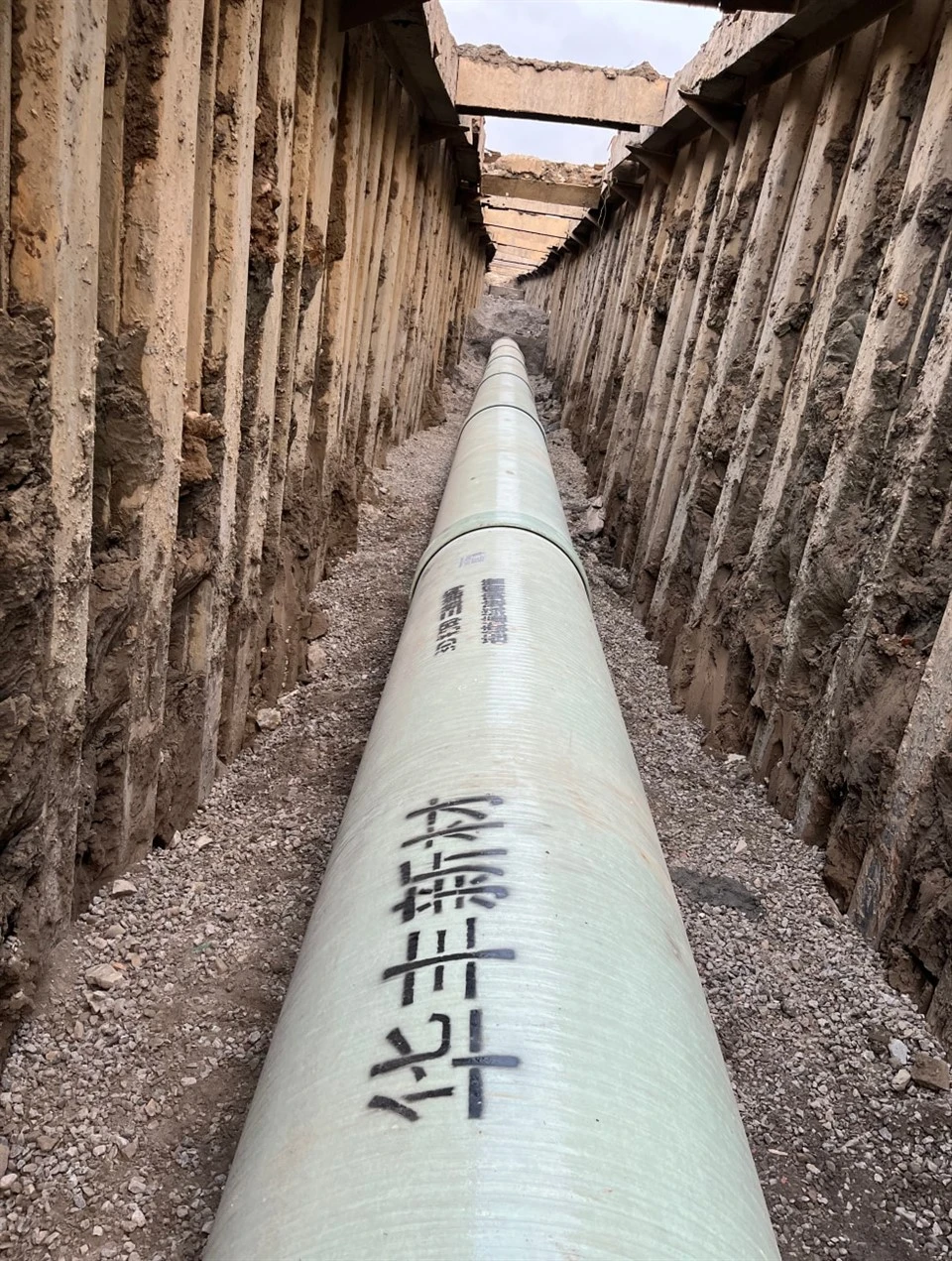
First things first, what are glass - fiber pipes? Well, they're pretty cool. These pipes, also known as FRP Fiberglass Reinforced Plastic Pipe, are made by combining glass fibers with a polymer matrix. This combination gives them some unique properties that make them a strong candidate for various applications, including underground use.
The glass fibers provide strength and stiffness to the pipes, while the polymer matrix protects the fibers and helps to distribute the loads evenly. This results in a pipe that is lightweight, yet incredibly strong. You won't believe how much they can handle compared to some traditional pipes!
Advantages of Glass - Fiber Pipes for Underground Installation
1. Corrosion Resistance
One of the biggest headaches with underground pipes is corrosion. Traditional metal pipes can rust and corrode over time when exposed to soil, moisture, and chemicals in the ground. But glass - fiber pipes, like our Corrosion Resistant FRP Pipe, are highly resistant to corrosion. This means they can last for decades underground without deteriorating, saving you a fortune in replacement and maintenance costs.
2. Lightweight
Underground installation can be a real pain, especially when dealing with heavy pipes. Glass - fiber pipes are much lighter than their metal or concrete counterparts. This makes them easier to transport, handle, and install. You don't need massive cranes or heavy - duty equipment to move them around. It also means less labor and time required for installation, which can significantly cut down on overall project costs.
3. High Strength - to - Weight Ratio
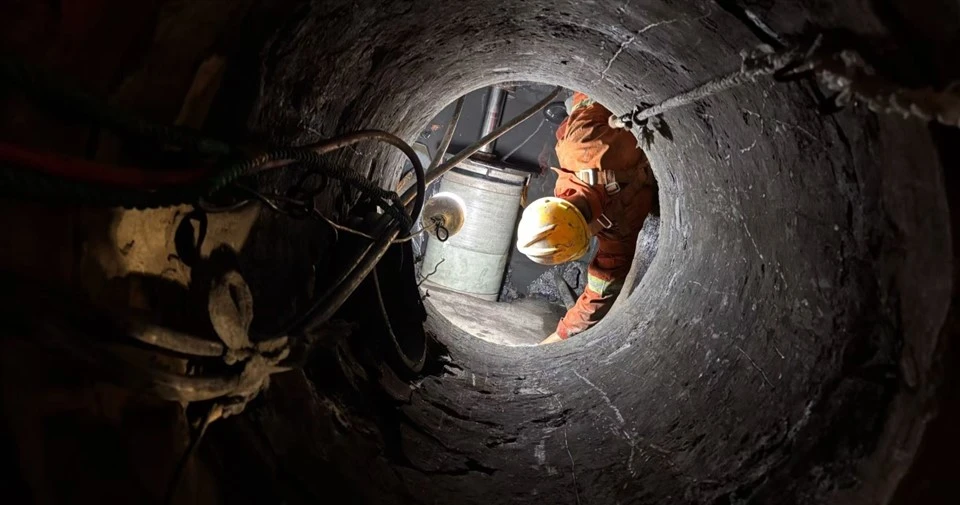
Despite being lightweight, glass - fiber pipes have an excellent strength - to - weight ratio. They can withstand high internal and external pressures, making them suitable for a wide range of underground applications, from water supply to sewage systems. The Jacking GRP Pipe, for example, is specifically designed to handle the high forces during jacking operations, which are common in underground installations.
4. Hydraulic Efficiency
Glass - fiber pipes have a smooth inner surface, which reduces friction and improves the flow of fluids. This means better hydraulic efficiency compared to pipes with a rougher surface. In an underground water supply system, for instance, this can result in lower energy consumption for pumping, as the water can flow more easily through the pipes.
Challenges and Considerations
Of course, it's not all sunshine and rainbows. There are some challenges and considerations when it comes to installing glass - fiber pipes underground.
1. Installation Techniques
Proper installation is crucial for the long - term performance of glass - fiber pipes. Unlike some traditional pipes, they require specific installation techniques to ensure a proper seal and alignment. For example, when using Fiberglass Drain Pipe, the joints need to be carefully installed to prevent leakage. If the installation is not done correctly, it can lead to problems down the road, such as pipe movement or water ingress.
2. Protection from Physical Damage
While glass - fiber pipes are strong, they can be damaged by sharp objects or excessive impact during installation or from external forces later. So, proper protection measures need to be taken during installation. This may include using a bedding material around the pipes to cushion them and prevent damage from soil movement or rocks in the ground.
3. Compatibility with the Surrounding Environment
It's also important to consider the compatibility of the glass - fiber pipes with the surrounding environment. For example, in areas with high seismic activity, the pipes need to be designed to withstand the ground movement. Additionally, in some cases, the soil may contain certain chemicals that could potentially react with the polymer matrix of the pipes, although this is less of a concern with our corrosion - resistant pipes.
Real - World Examples
Let me share a few real - world examples to illustrate the suitability of glass - fiber pipes for underground installation.
In a large - scale urban water supply project, our company supplied GRP Pipe for an underground pipeline network. The pipes were installed over a long distance, and their lightweight nature made the installation process much faster and more cost - effective. After several years of operation, there have been no signs of corrosion or leakage, and the hydraulic efficiency of the system has remained high.
Another example is a sewage treatment plant that needed to replace its old concrete sewage pipes. They chose glass - fiber pipes for their corrosion resistance and high strength. The new pipes were installed underground, and since then, the plant has seen a significant reduction in maintenance and repair costs.
Conclusion
So, are glass - fiber pipes suitable for underground installation? In my opinion, the answer is a resounding yes! Their corrosion resistance, lightweight, high strength - to - weight ratio, and hydraulic efficiency make them a great choice for a wide range of underground applications. However, it's important to address the challenges and considerations, such as proper installation techniques, protection from physical damage, and compatibility with the environment.
If you're considering an underground pipe installation project, I highly recommend giving glass - fiber pipes a serious thought. They can offer long - term benefits in terms of cost savings, durability, and performance. If you have any questions or are interested in purchasing our glass - fiber pipes, feel free to reach out. We're here to help you make the best decision for your project.
References
- "Fiber - Reinforced Polymer (FRP) Pipes: Design and Installation Guidelines", American Society of Civil Engineers.
- "Underground Pipe Systems: Materials and Design", McGraw - Hill Education.